

1.3 million deaths / year
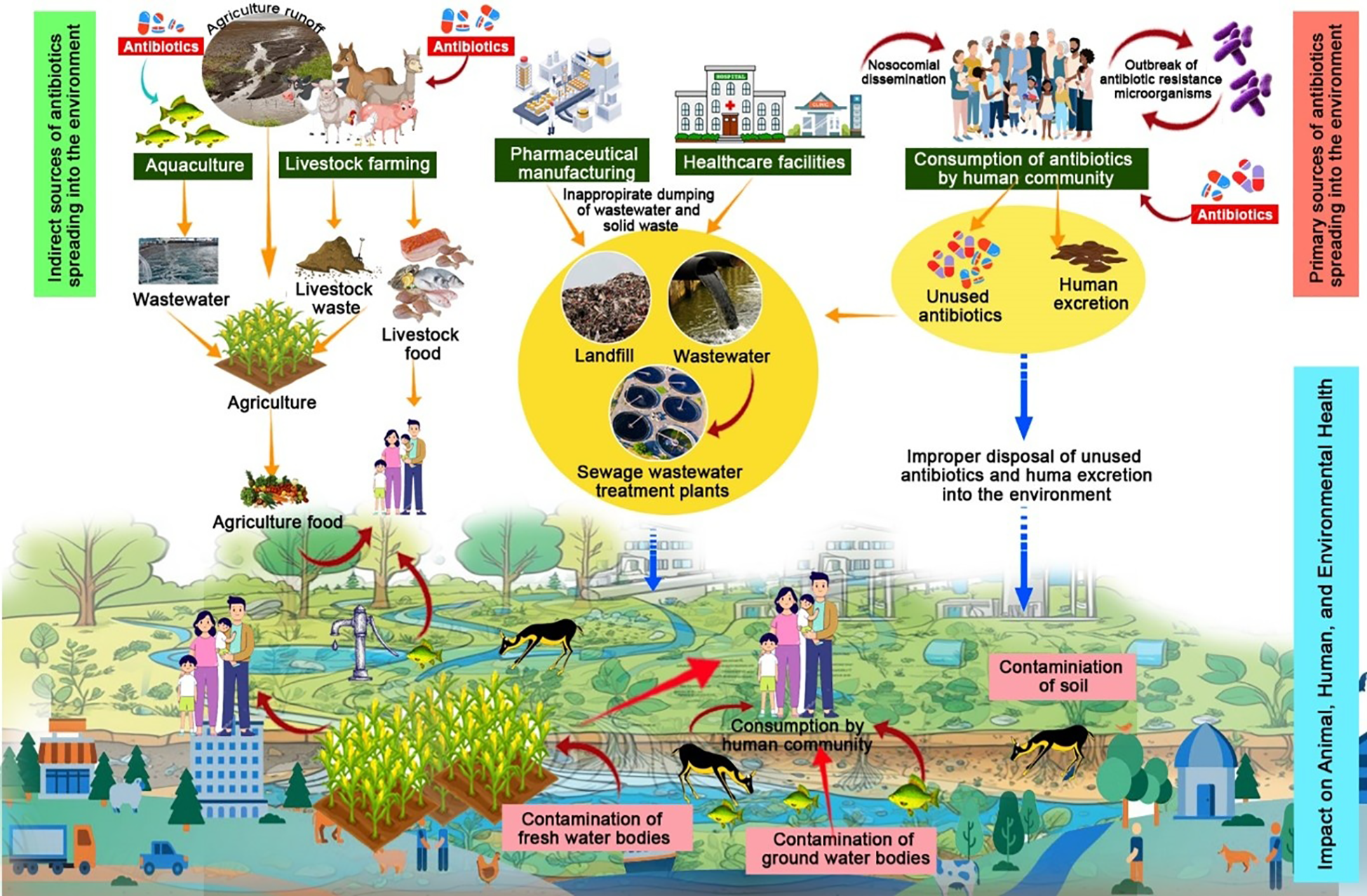
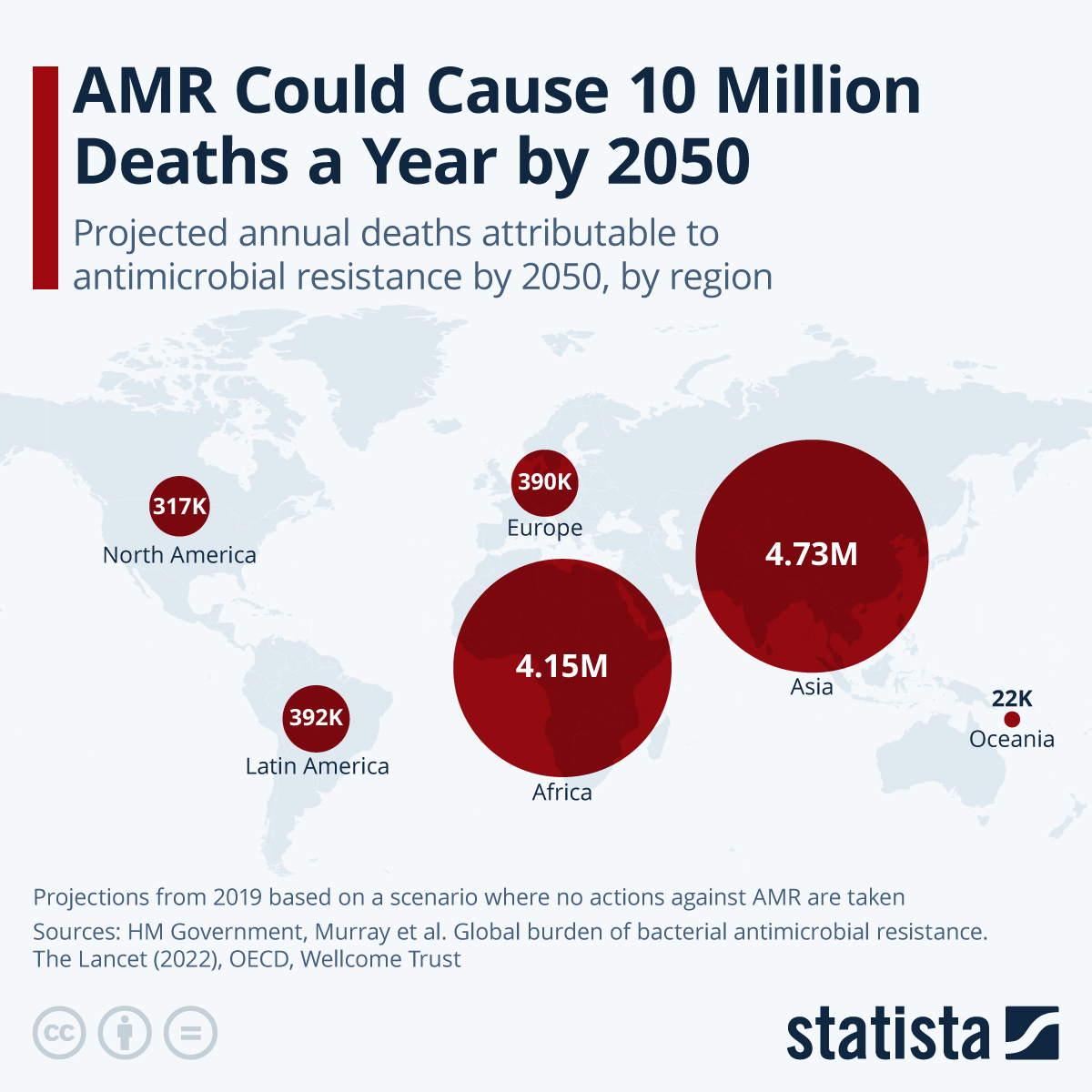
Antimicrobial resistance (AMR) is an urgent global public health threat that complicates treatment of infectious diseases. It is responsible for an estimated 1.3 million deaths worldwide each year.

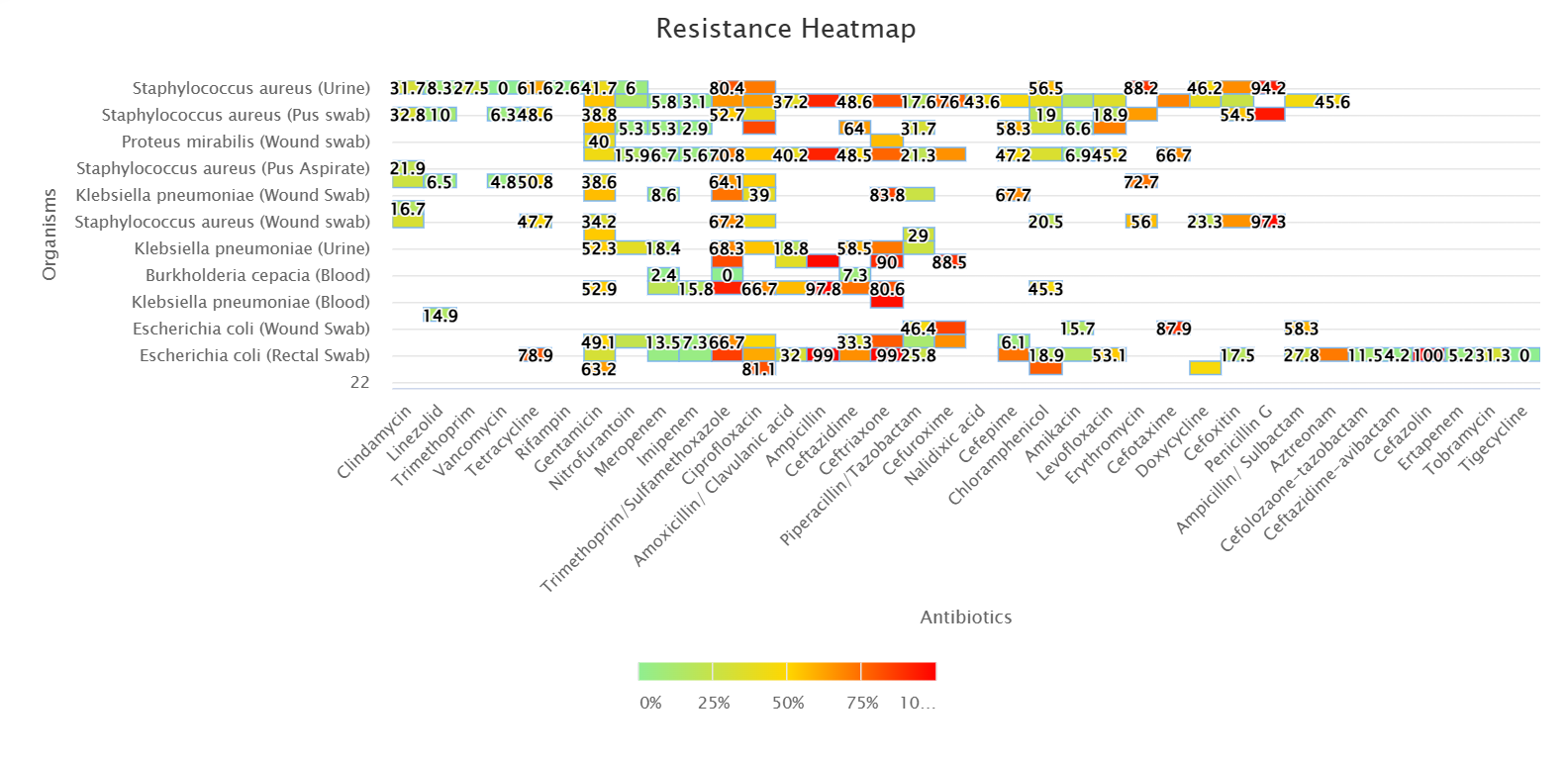
Antimicrobial resistance now kills more Ugandans than malaria, HIV, or TB. The data exists across dozens of systems — but fragmented, siloed, and invisible to decision-makers. NIAMR is the Interoperable Integrated Digital Platform that consolidates it into one national AMR picture.
Five research phases. AI-powered detection. A scalable One Health architecture. NIAMR is developing and evaluating an interoperable digital platform that integrates Uganda's disconnected AMR data systems into a single surveillance resource.
Clinicians, lab teams, district health officers and other stakeholders, generate AMR data every day — but rarely see it come back as actionable intelligence. NIAMR connects these systems so the people closest to the problem can finally use the evidence.
Antimicrobial resistance (AMR) is an urgent global public health threat that complicates treatment of infectious diseases. It is responsible for an estimated 1.3 million deaths worldwide each year.
The burden is disproportionately high in Uganda as a low- and medium-income country, where AMR-associated mortality is estimated to have surpassed deaths due to malaria, HIV, and tuberculosis in 2019.
Fragmented AMR data systems, incomplete, and underutilised; limited digital and predictive surveillance capacity; limited evidence on technology adoption for AMR surveillance for decision-making, despite investments in microbiology laboratory capacity.
We are building NIAMR — a national, interoperable digital platform that integrates AMR data from across Uganda's existing systems to enable timely detection, surveillance, and evidence-based response, designed to scale across all One Health sectors.
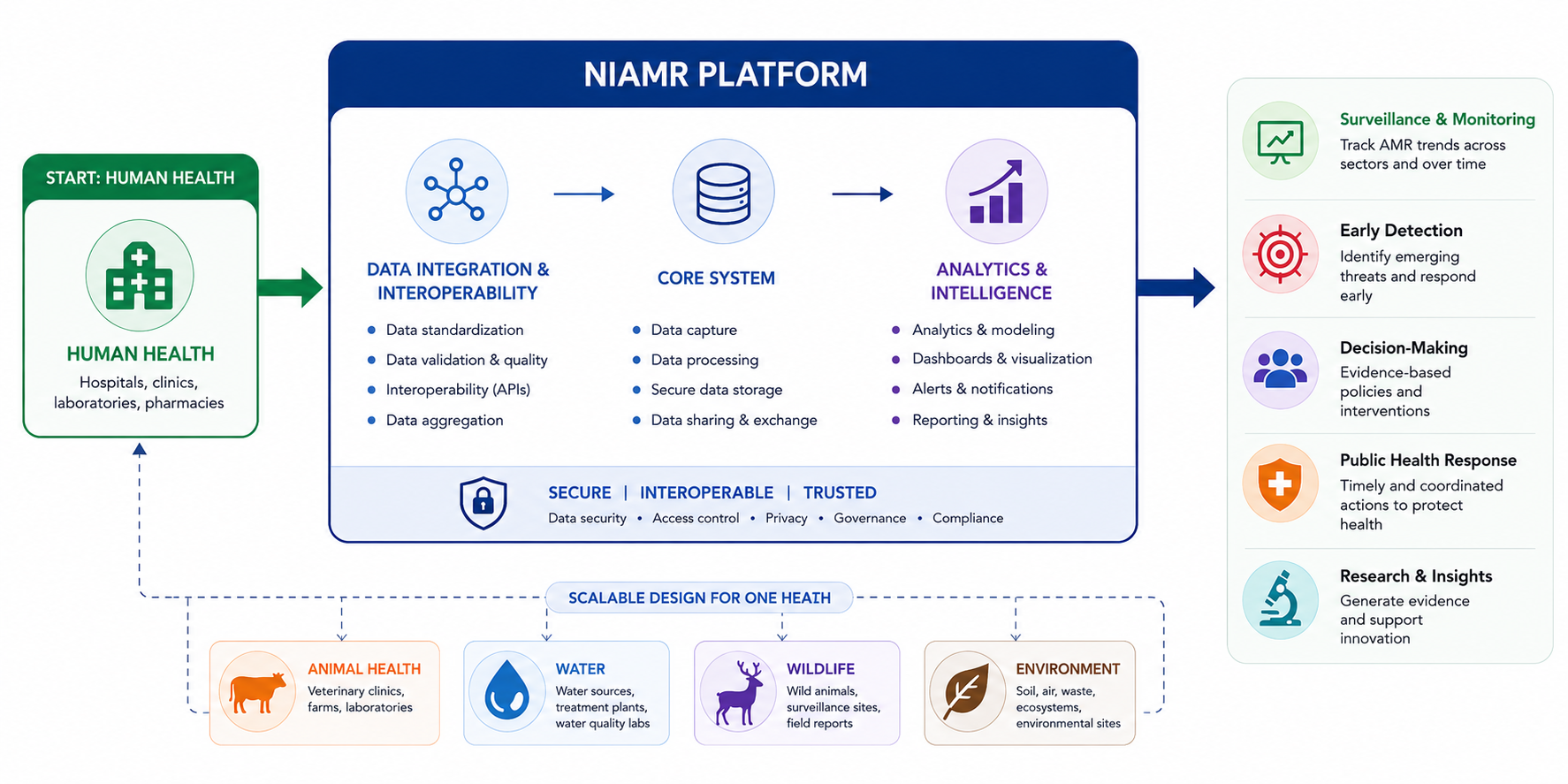
National situation analysis and baseline assessment of AMR data generation, management and dissemination in Uganda.
Development and implementation of the integrated NIAMR platform in AMR high-burden districts.
Testing the functionality and performance of the NIAMR platform for AMR surveillance and data use.
Piloting the NIAMR platform to assess data quality, system performance and user uptake for national roll-out.
Evaluating the impact of NIAMR and conducting a micro-costing study to support integration across One Health sectors.
The Key project outputs include:
Enhanced availability and use of integrated AMR data to support timely, evidence-based decision-making for AMR surveillance and response.

















The NIAMR project website is now live. Here is what you will find here — and what is coming.
Read moreAntimicrobial resistance is one of the most urgent global health threats — but in Uganda, the data we have to respond to it is fragmented, incomplete, and underused. Here is why interoperability is the foundation of a better response.
Read more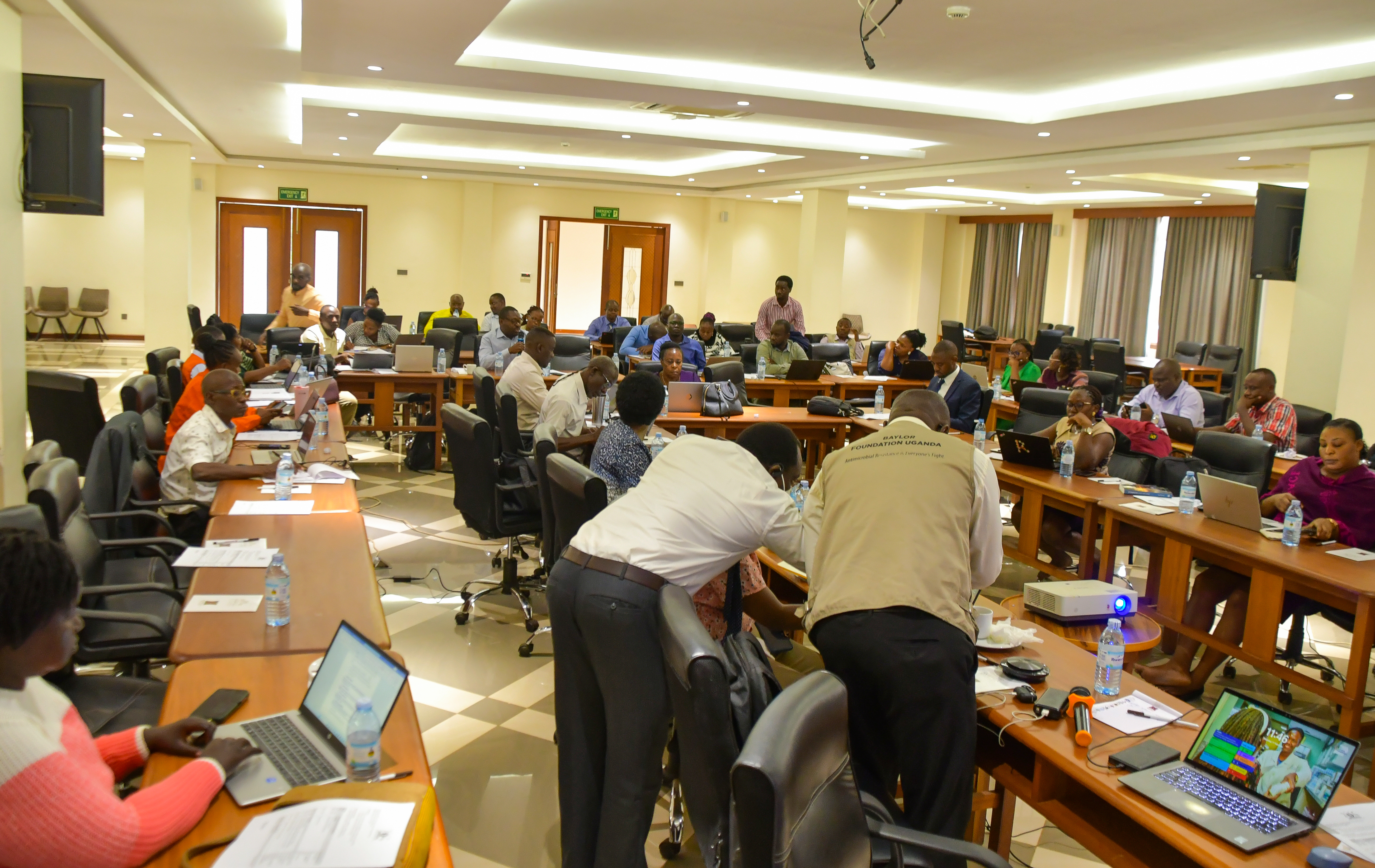
NIAMR follows the WHO "co-design with the user" principles — working with the Ministry of Health, NHLDS, BCMCF-Uganda, and MUST. Workshops, situation-analysis sessions, and stakeholder dialogues will appear here as they unfold.

Prof. Josephine Nabukenya (Principal Investigator) · National Institute for Health and Care Research
The formal NIHR funding award summary for the NIAMR project — reference NIHR168786. Three-year award under the NIHR Global Health Policy and Systems Research programme, February 2026 – January 2029.
[WEB] Access
UK's international development funding, backing global health research and capacity strengthening across partner countries.

UK government department that underwrites the NIHR programme funding the NIAMR project.

Funder of NIAMR under the Global Health Policy and Systems Research programme — award NIHR168786, over 36 months.

Lead research institution hosting the NIAMR project and coordinating the multidisciplinary research team.

Leads policy and governance of health data in Uganda; approves deployment of the NIAMR platform.

Provides stewardship for Uganda's AMR surveillance network and coordinates NIAMR's integration with national systems.

Coordinates UK Fleming Fund Phase II investments and multisectoral AMR surveillance in Uganda.

Represents AMR academia and scientists; Uganda's second public university, with a community-impact mandate.
Meet the multidisciplinary researchers behind NIAMR — microbiologists, epidemiologists, informaticians and more.
View teamAn integrated digital system for antimicrobial resistance data capture, processing, and sharing — currently under active development by our research team.