About
- Home
- About

Antimicrobial resistance (AMR) is an urgent global public health threat that complicates treatment of infectious diseases. It is responsible for an estimated 1.3 million deaths worldwide each year. The burden is disproportionately high in low- and medium- income countries (LMICs) including Uganda, where AMR-associated mortality surpassed deaths due to malaria, HIV, and tuberculosis in 2019 (Murray et al., 2022).
Recognising this threat, the Global Action plan on AMR (2015) and Uganda's National Action Plans on AMR (2018–2023; 2024–2029) identify surveillance – particularly the systematic collection and use of data on AMR and antimicrobial use as a core intervention. Such data are essential for effective clinical management, public health surveillance and design and implementation of AMR control strategies.
However, as highlighted at the United Nations General Assembly High-Level Meeting on AMR, the Africa CDC Landmark Report and Uganda NAP (2024–2029), AMR data in many LMICs including Uganda, remain fragmented, incomplete, and underutilised for decision-making, despite investments in microbiology laboratory capacity. Key challenges include shortage of skilled personnel at facility and national levels, disjointed data systems, and limited clarity regarding national AMR data needs.
We aim to develop and evaluate a national interoperable integrated digital AMR data capture, processing and sharing platform (NIAMR) at national level, bringing together human health AMR data from multiple existing AMR data capture systems, to support timely AMR detection, monitoring and evidence-based decision-making for improved surveillance and response in Uganda, with a scalable architecture for extension to other One Health sectors (i.e., animal health, water, wildlife and environment). This retrospective, three-year project will be implemented in five sequential phases.
The Key project outputs include:
Our multidisciplinary research team includes microbiologists, biostatisticians, epidemiologists, public health scientists, health economists, data scientists and informaticians from Makerere University (Mak – https://www.mak.ac.ug/). We have substantial experience and expertise in health systems research, AMR / antimicrobial measurement and surveillance, statistical modelling, health informatics, digital health, information systems, data science and analytics, and AI/machine learning. Across our team, we have developed and implemented new methods and digital tools that have strengthened AMR measurement and surveillance as well as health infrastructure at the local, national and global level.
Steering Committee · Oversight
Community engagement oversight
The Project Steering Committee / Advisory Board comprises a multi-disciplinary team of experts including Ministry of Agriculture, Animal Industry and Fisheries (MAAIF), World Health Organisation-Uganda (WHO-Uganda), Parliamentary AMR forum, Infectious Diseases Institute-CHS, East African Health Research Commission (EAHRC), Uganda Health Federation (UHF), and National Information Technology Authority (NITA-U). These oversee the work performed by the project implementing team, CEI-CAB team and meet monthly to discuss the project progress with NIHR and the project team.
The National AMR CEIs Committee facilitates community engagement and involvement (CEI) across the partner institutions — the Ministry of Health (MoH), Uganda's National Health Laboratories and Diagnostics Services (NHLDS), Baylor College of Medicine Children's Foundation-Uganda (BCMCF-Uganda), and Mbarara University of Science and Technology (MUST) — ensuring NIAMR meets real-world data capture, sharing and surveillance needs.
The Project Lead – Prof. Josephine Nabukenya – will supervise the project implementation team. She will coordinate all project activities together with the project team.
The Project Implementing Team constitutes the research team (2 Project Co-leads, Co-investigators and the CEIs representatives from the MoH, NHLDS, BCMCF-Uganda and MUST) as well as Health Systems Research Assistants and PhD students.
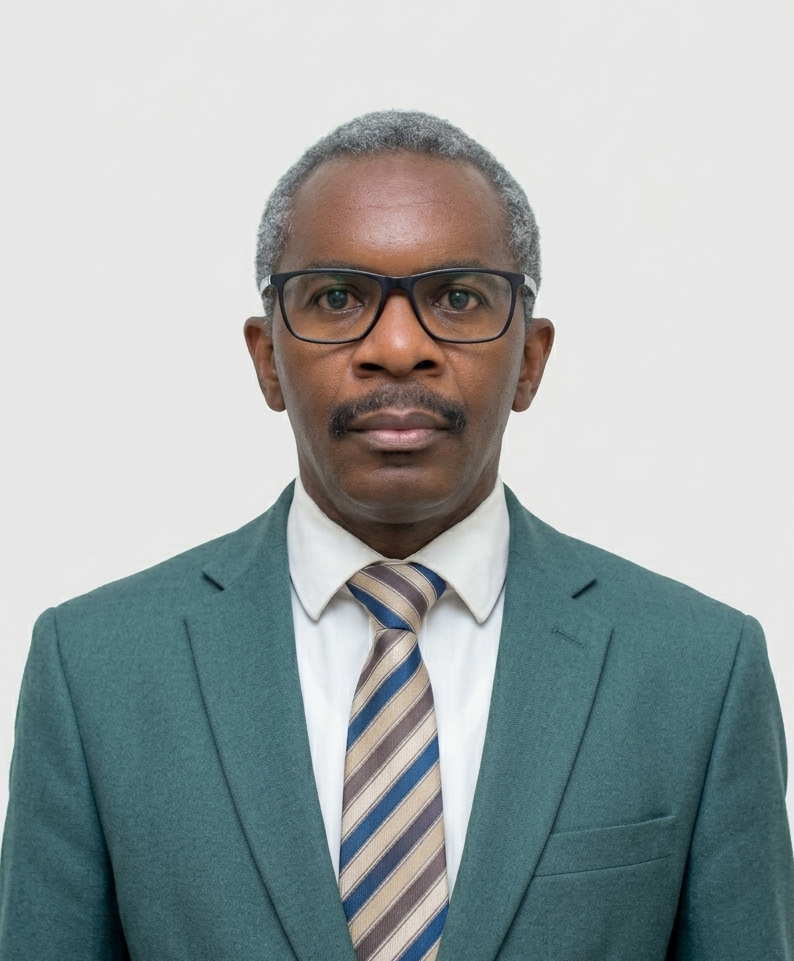
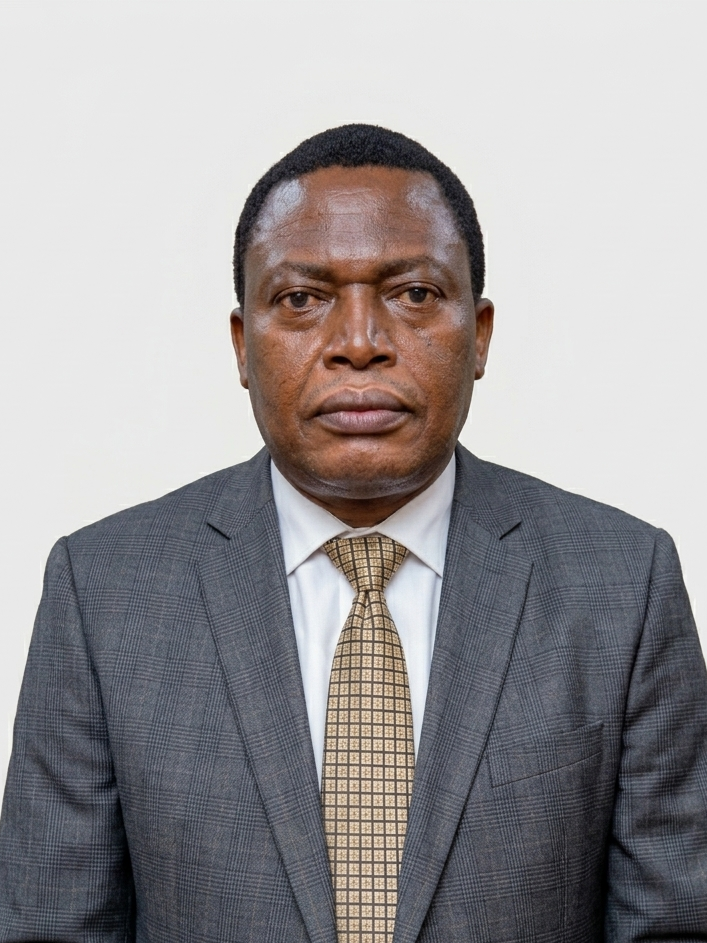
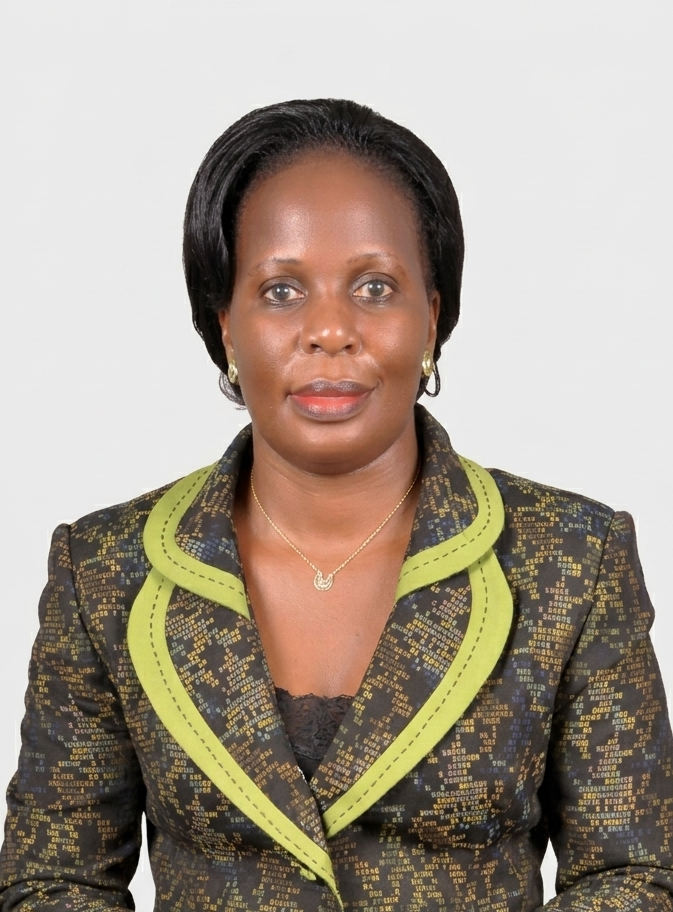
The project is following the WHO "co-design with the user" principles in designing and implementation of the NIAMR intervention; as such the Mak research team is engaging and working with the community (CEIs) including the Ministry of Health (MoH), Uganda's National Health Laboratories and Diagnostics Services (NHLDS), the Baylor College of Medicine Children's Foundation-Uganda (BCMCF-Uganda), and Mbarara University of Science and Technology (MUST). The CEIs representation are led by the Director General of Health Services Dr. Charles Olaro for MoH, and assisted by the Commissioner for NHLDS Dr. Susan Nabadda, and the Programme Manager of BCMCF-Uganda Mr. Roger Kisame.
Ministry of Health, Uganda
The MoH is responsible for policy, planning, health service delivery and governance of all health data and information, as well as overseeing implementation of digital health in the country, and in this research it is supporting the identification of data capture systems from which the AMR data will be extracted, participate in the co-design and implementation of the NIAMR intervention to ensure that it meets the health data protection and sharing needs in the country. The governance structures at MoH are responsible for the approval of the NIAMR data capture intervention for deployment and roll-out in Uganda's health system.
Visit website
Uganda's National Health Laboratories and Diagnostics Services
The NHLDS is responsible for providing stewardship for the AMR surveillance network, and in this research, it is supporting with overseeing and coordinating the introduction and implementation of the NIAMR project intervention to enhance existing systems for managing and sharing AMR surveillance data.
Visit website
Baylor College of Medicine Children's Foundation-Uganda
The BCMCF-Uganda is responsible for implementation and coordinating UK Fleming Fund Phase II investments in Uganda and supports the implementation of multisectoral antimicrobial stewardship, AMR surveillance and data sharing systems in line with Uganda's national action on AMR [2024-2029] on behalf of the Mott MacDonald the management agent for the Fleming Fund program. In this research it is responsible for providing the CEI expertise and a platform for their engagement and involvement to support the project implementation.
Visit website
Mbarara University of Science and Technology
The MUST is the second public university in Uganda, founded on a philosophy of community impact and engagement. MUST has a two-decade history of international partnerships with successful collaborative projects in technology and engineering, agriculture and health, currently running large research programs on HIV, malaria, mental health, and non-communicable diseases, with funding e.g., from the European Union and the US National Institutes of Health. MUST is representing and providing a platform for the AMR academia and researchers / scientists engagements in the project implementation.
Visit websiteAn integrated digital system for antimicrobial resistance data capture, processing, and sharing — currently under active development by our research team.